
Leading Selection Of Exterior Fascia Installation Essentials
Browse a curated list of must-have products that streamline fascia installation and ensure professional results.
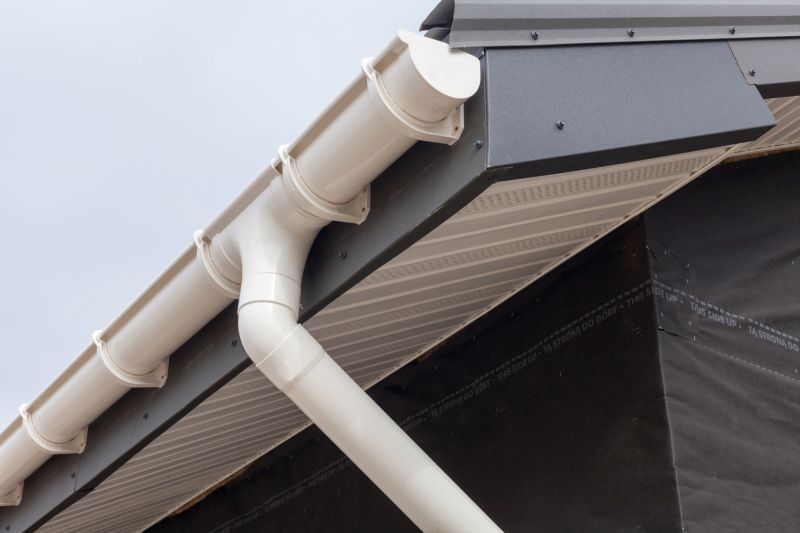 Exterior fascia installation is a crucial aspect of building exteriors, providing both aesthetic appeal and functional protection for the underlying structure. Selecting the right products for fascia installation can enhance the durability and visual harmony of a building's exterior. Typically, fascia components are installed along the roofline, serving as a finishing touch that conceals the ends of roof rafters and supports the soffit. Proper selection of fascia materials can help prevent water infiltration, reduce maintenance needs, and improve overall curb appeal.
Top Overall Option
Composite Fascia Boards
Composite fascia boards are a versatile choice that combine durability with low maintenance requirements. Made from a blend of wood fibers and plastic, they resist moisture, rot, and insect damage, making them suitable for various climates. Their ease of installation and availability in multiple colors and textures allow for customization to match different exterior styles. While they may have a higher upfront cost compared to traditional wood, their longevity and minimal upkeep can be advantageous for long-term projects.
Types of Products For Exterior Fascia Installations
Wood Fascia Boards
Traditional wood fascia offers a natural look and can be painted or stained to match the exterior design. It is easy to work with but requires regular maintenance to prevent rot and insect damage.
PVC Fascia Boards
PVC fascia provides a durable, weather-resistant option that requires minimal maintenance. It is lightweight and easy to install, making it popular for residential projects.
Fiber Cement Fascia
Fiber cement fascia combines strength and resistance to elements, often resembling wood but with enhanced durability. It is suitable for areas with harsh weather conditions.
Aluminum Fascia
Aluminum fascia offers a lightweight, corrosion-resistant solution that can be painted or finished in various ways. It is often used for modern exterior designs.
Steel Fascia
Steel fascia provides high strength and longevity, ideal for commercial or heavy-duty applications. It requires proper finishing to prevent rust.
Vinyl Fascia
Vinyl fascia is an affordable, low-maintenance option that resists moisture and pests. It is available in many colors and styles.
Composite Fascia Boards
Composite fascia combines durability with aesthetic flexibility, resisting rot, insects, and weathering. It often mimics the appearance of wood.
Metal Wraps
Metal wraps are used to cover existing fascia or as a finishing layer, providing a sleek, modern look with added weather protection.
PVC Trim and Fascia
PVC trim can be used for fascia areas, offering a lightweight, rot-resistant, and easy-to-install option that maintains its appearance over time.
Engineered Wood Fascia
Engineered wood fascia offers a wood-like appearance with enhanced stability and resistance to warping and pests.
Popular Choices
Vinyl fascia remains a popular choice due to its affordability and low maintenance needs, suitable for various residential projects.
Many homeowners appreciate the durability and appearance of composite fascia, which offers a long-lasting alternative to traditional materials.
PVC fascia is favored for its resistance to moisture and pests, making it a reliable option in diverse climates.
Aluminum fascia is chosen for its lightweight and corrosion-resistant properties, especially in modern exterior designs.
Traditional wood fascia remains popular for its natural aesthetic, especially when painted or stained to match other exterior elements.
Fiber cement options are gaining popularity for their strength and weather resistance, suitable for demanding environments.
Steel fascia is often selected for its durability and strength, especially in commercial or heavy-duty applications.
Metal wraps are trending for their sleek appearance and protective qualities, often used to enhance existing fascia.
Engineered wood fascia offers a balance between traditional wood aesthetics and enhanced durability, popular in many residential projects.
When considering products for fascia installation, it is important to evaluate material compatibility, weather resistance, ease of installation, and long-term performance. Many products are designed to withstand exposure to sun, rain, wind, and temperature fluctuations, ensuring that the fascia remains intact and visually appealing over time. Additionally, the choice of color and texture can complement existing exterior design elements, creating a cohesive look.
Installation methods vary depending on the product type, with some materials requiring nails, screws, or adhesives for secure attachment. Proper measurement and cutting are essential to achieve a clean, professional appearance. For those undertaking DIY projects, selecting user-friendly products with clear instructions can simplify the process. For larger or more complex installations, consulting with or hiring a professional may be advisable to ensure safety and quality.
Overall, the market offers a wide array of products suitable for different architectural styles, climates, and personal preferences. From traditional wood options to modern composite materials, there are solutions available for every project scope. Understanding the features and considerations of each product type can help homeowners and contractors make informed choices that enhance both the function and appearance of exterior facia systems.
Key Buying Considerations
- Material durability and resistance to moisture, pests, and weathering
- Compatibility with existing exterior design and color schemes
- Ease of installation, including tools and skill level required
- Maintenance requirements and long-term upkeep
- Cost and budget constraints for the project
- Weight and ease of handling during installation
- Aesthetic preferences, including texture and finish options
- Compatibility with other exterior components such as soffit and trim
- Availability of matching accessories like fasteners and sealants
- Potential for future expansion or modifications
- Warranty or manufacturer support for the product
- Environmental exposure conditions specific to the location
- Code compliance and building regulations
- Environmental factors that may impact material longevity